Key Places – China – Yunnan
Bai Shui White Water Terraces
The Bai Shui White Water Terraces at the foot of Haba Snow Mountain (2,380 m) are a natural wonder of the world. The terraces have been created by calcium carbonate sediment as melted glacier water flows off the mountain. The pools were formed over thousands of years, rolling off the slopes in elegant steps.
The Bai Shui Terraces are also the birthplace of Naxi Dongba culture. Legend has it that the first saint of the Dongba Religion was attracted by the area’s fascinating scenery on his way back from Tibet. Later, the White Water Terraces became known as the ‘Holy Land of the Dongba Religion’. The Naxi gather annually on the eighth day of the second lunar month, to celebrate in a traditional festival with singing throughout the day and night.
The Terraces are called Shi Pu Zhi in Naxi language, which translates as ‘gradually growing flowers’. The springs flow from the mountain at the foot of a willow tree next to which is a rock bearing the following inscription.
A monk lived in this holy Buddhist land 500 years ago, who devoted himself to preaching Buddhism.
Just like waving clouds and white snow, the silver terraces stretch for miles. As clear as crystal, the springs meander, which seem to be frozen on the terraces.
The springs will gush out ceaselessly, how I envy the immortal who created the terraces.
Dali
The 8th century city of Dali is located on the shores of Erahai Lak in Western Yunnan with the Cangshan Mountain range to the west. The town’s ancient walled quarter dates from the Ming Dynasty (1368-1644) and is considered one of the ‘Three Ancients’ (Ancient Cities, Ancient Pagodas and Ancient Steles) of the Dali region. Beyond the town walls are the 9th Three Pagodas of Chong Sheng Temple.The Ancient City was a gateway to the Silk Road, it also served as a seat of government and was a major military barracks for Yunnan Province.
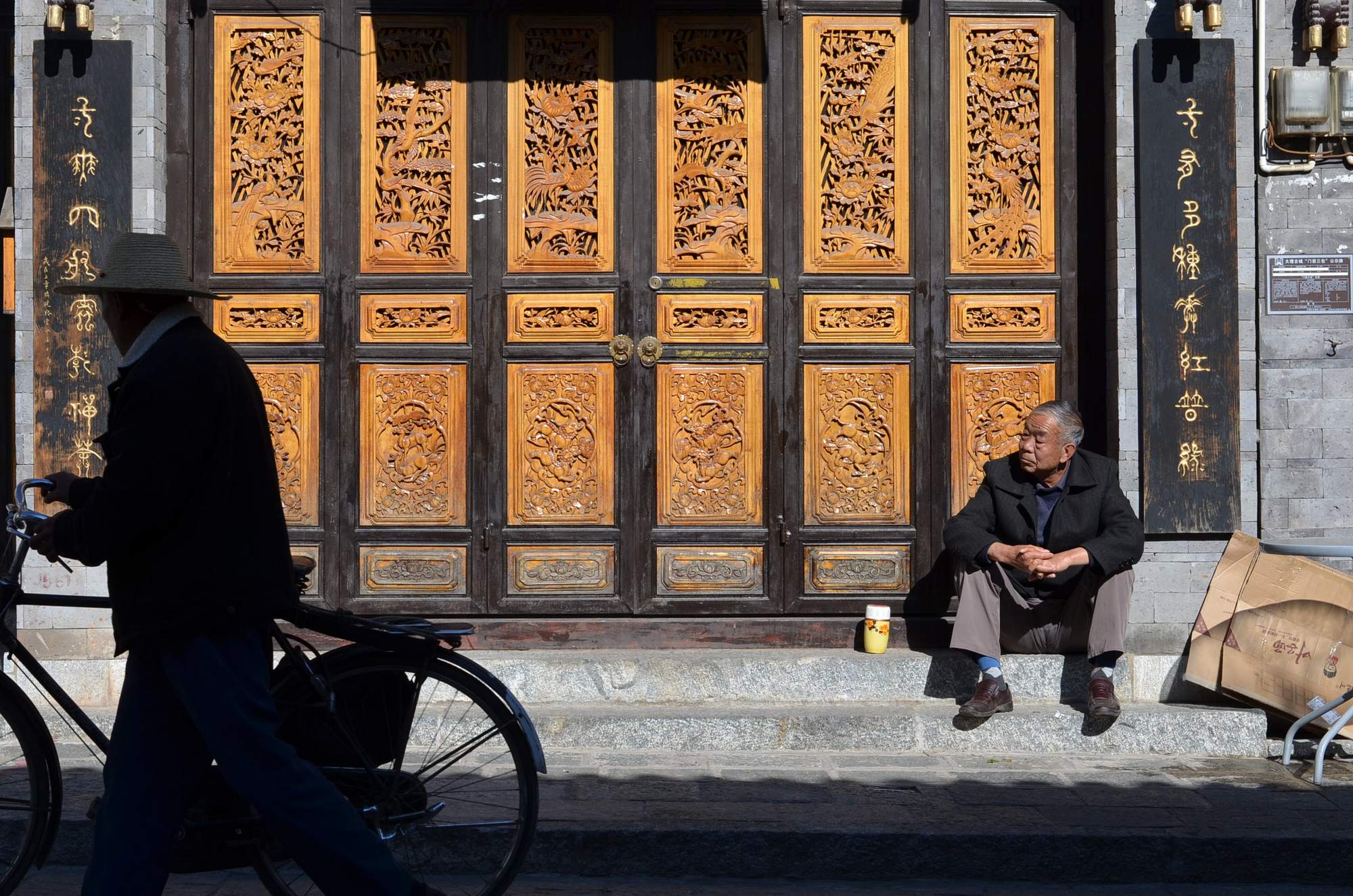
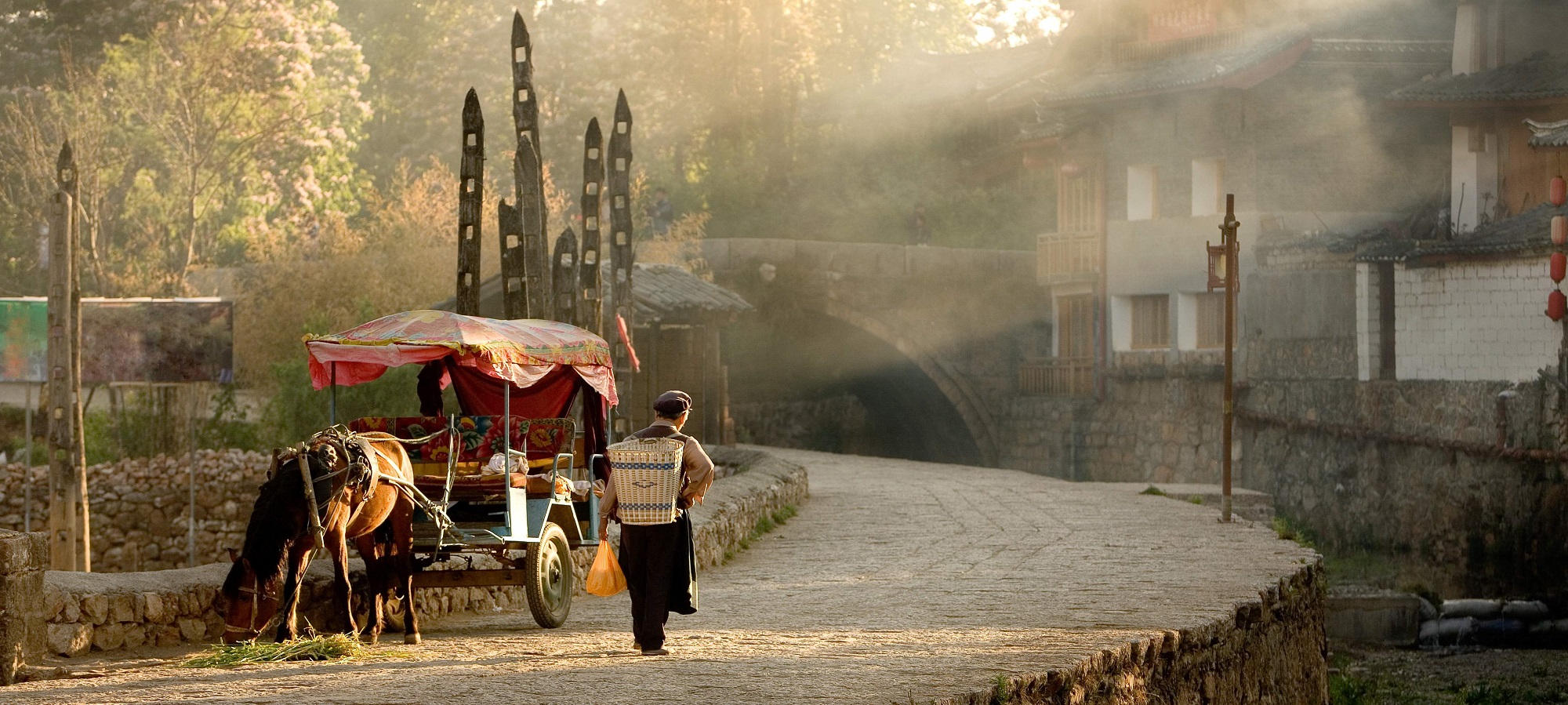
Traditional Bai ethnic minority folk houses with grey-green roof tiles stretch along cobbled streets; you’ll also find distinctive artisan workshops, temples and schools. Traditional souvenirs crafted from marble and woven straw are on sale everywhere. On Foreigner Street, you will find traditional Bai snacks for sale and can experience the famous Bai ‘Three Course Tea Ceremony’, comprising ‘bitter tea’, ‘sweet tea’ and ‘reflection’ tea. The ceremony is preserved for holidays and for welcoming honoured guests.
Lijang
Historically Lijang was a hub to the Naxi people, for culture, politics and commerce. Silk embroidery was a key industry here with Lijiang significalty located along the Ancient Tea and Horse Road. The area enjoys a mild sub-tropical climate.
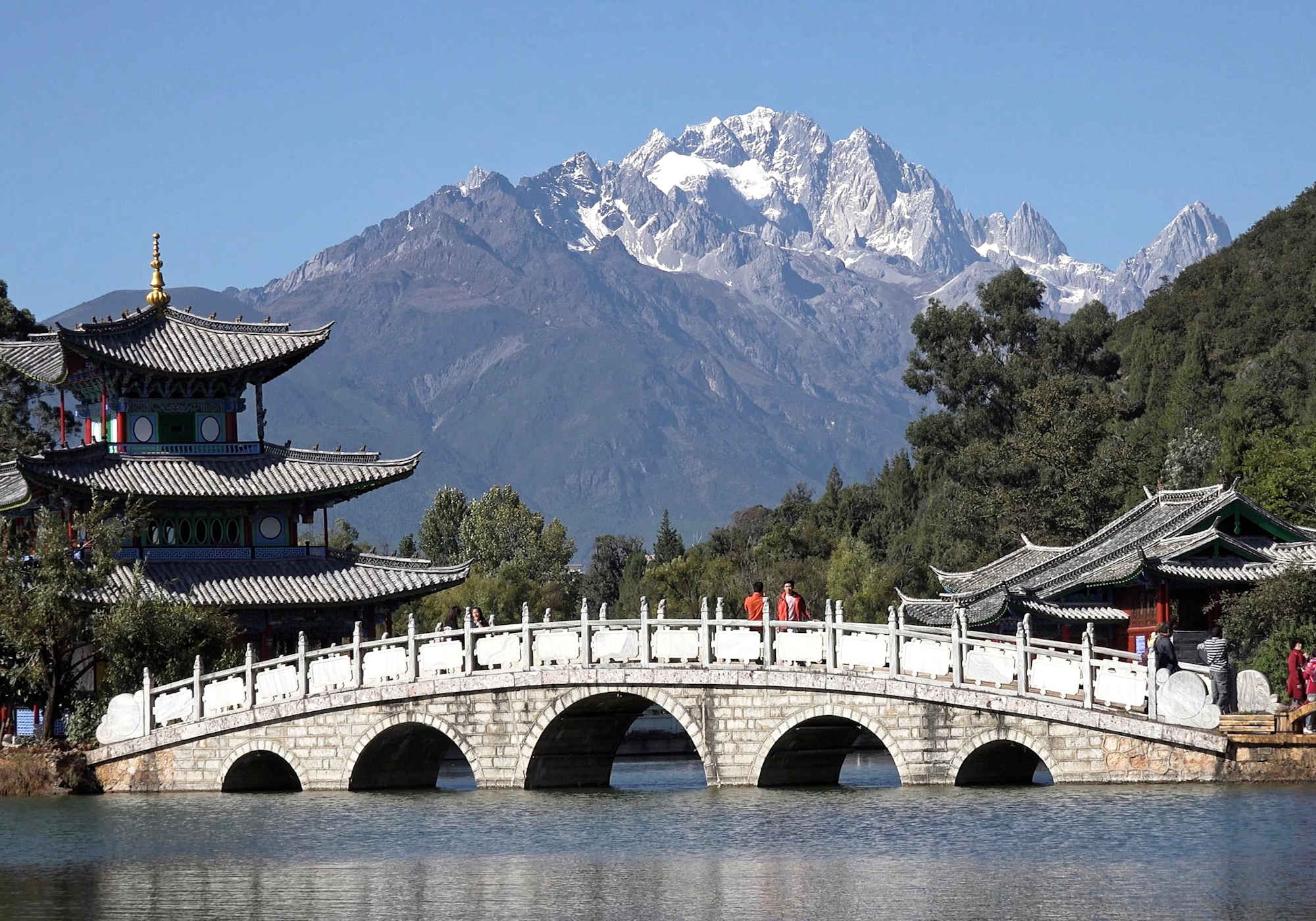
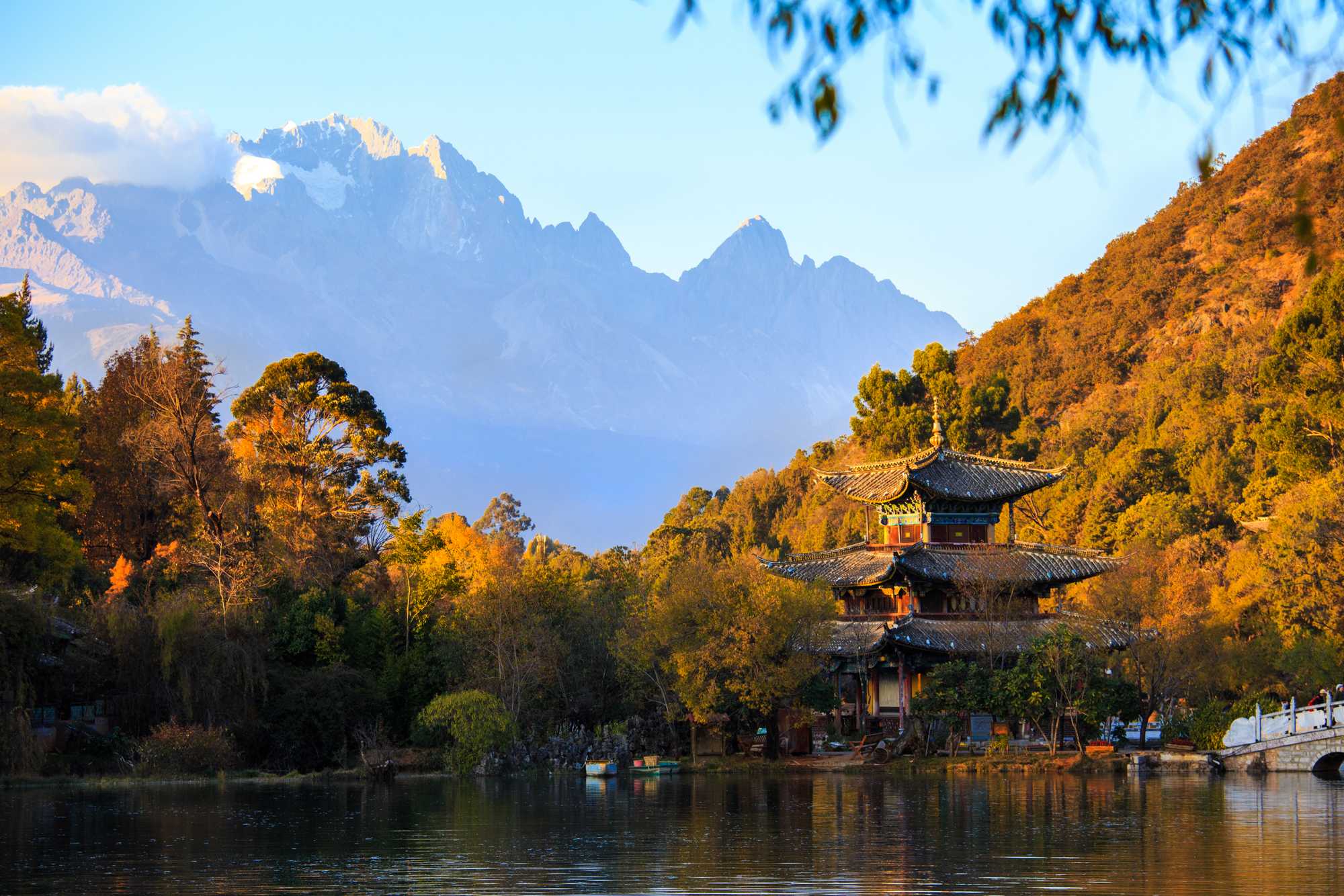
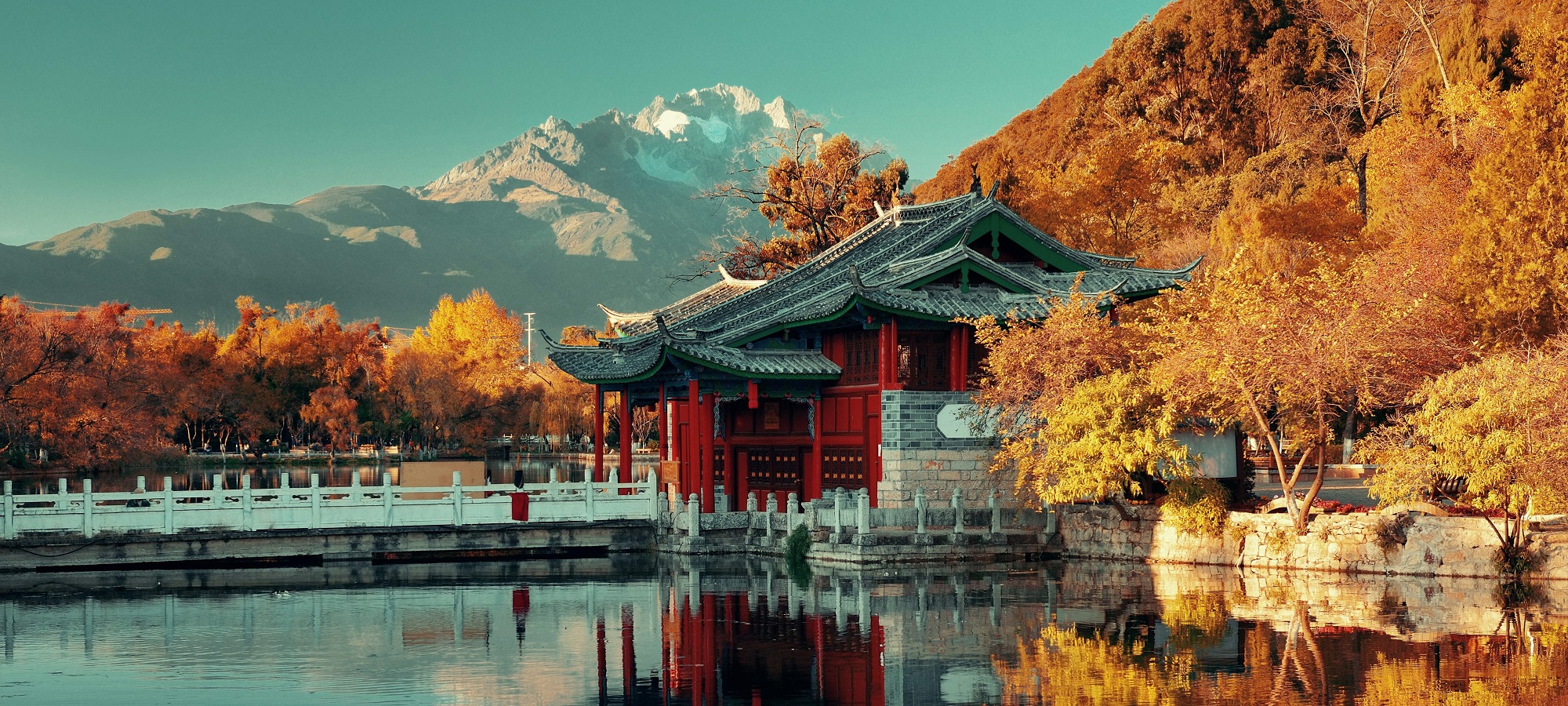
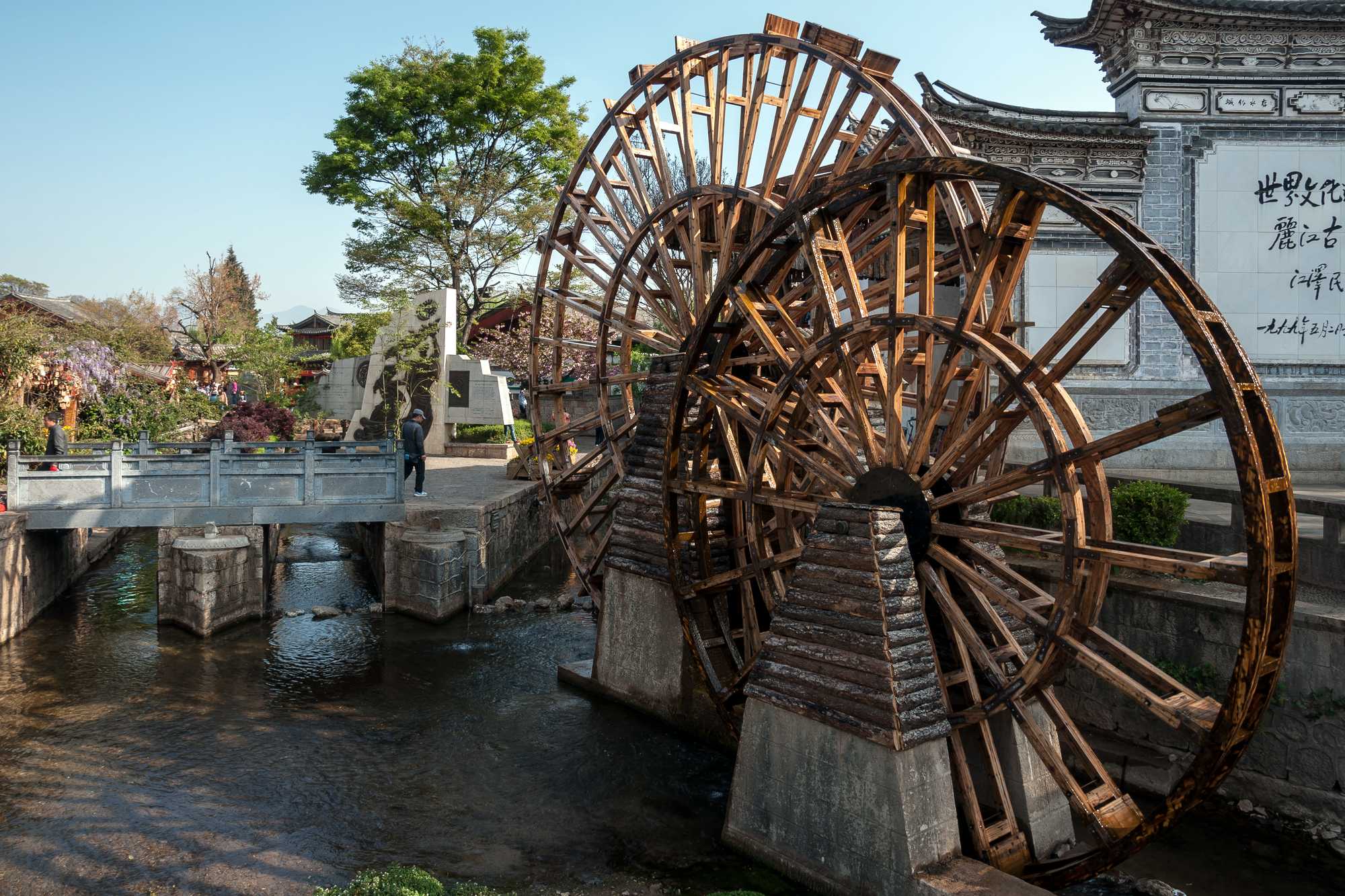
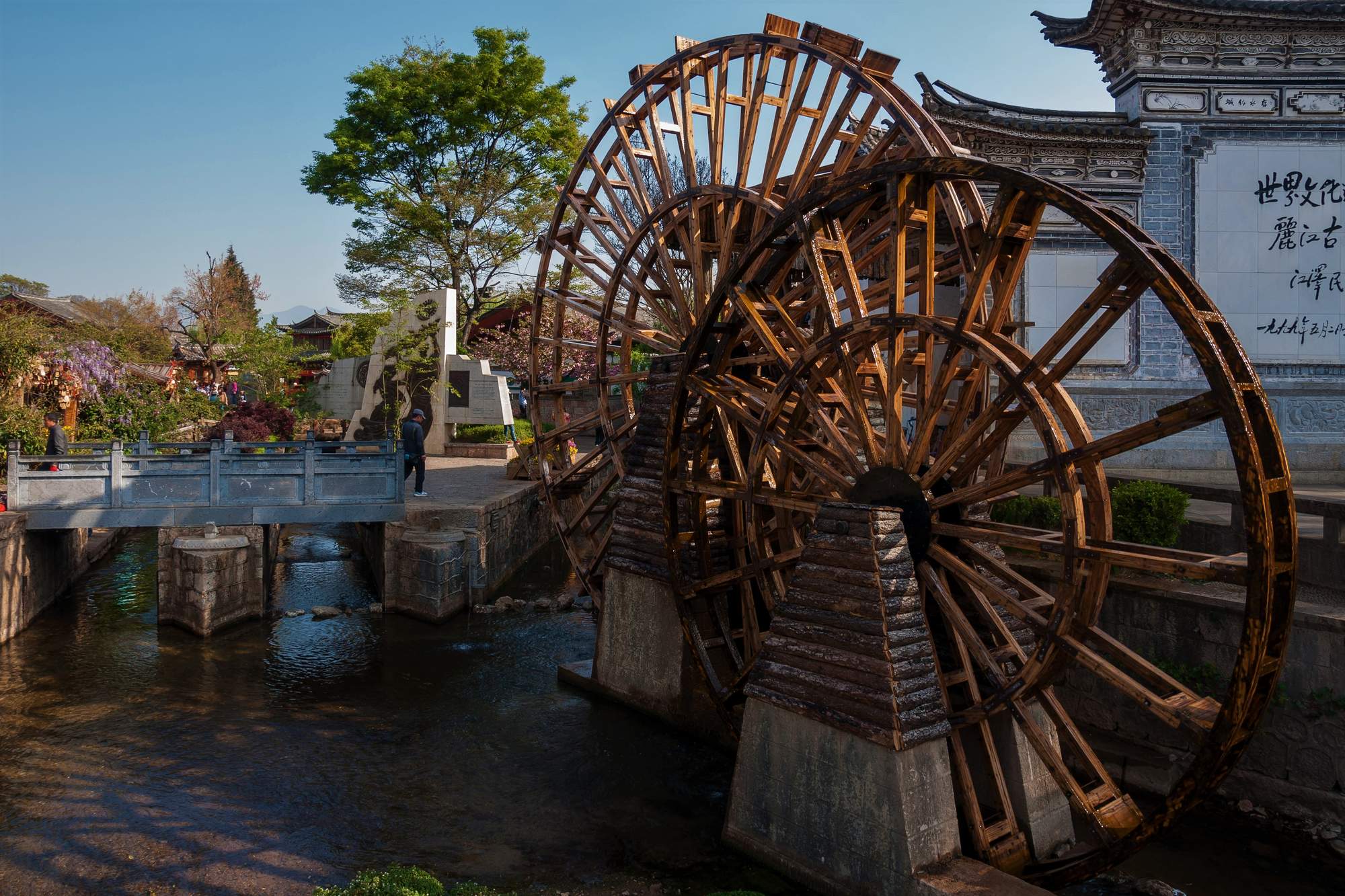
Lijang old town is a UNESCO world heritage site famed for its sophisticated system of waterways and bridges. In a maze of cobblestone streets the layout of the old town follows no particular pattern but observes the flow of 3 streams and Feng Shuii principals, providing Lijang with a fresh water system and a waste disposal system. There are separate pools that were created and designated specifically for drinking, laundering and washing vegetables. Locals still use the White Horse Dragon pool to wash their produce after visiting the market.
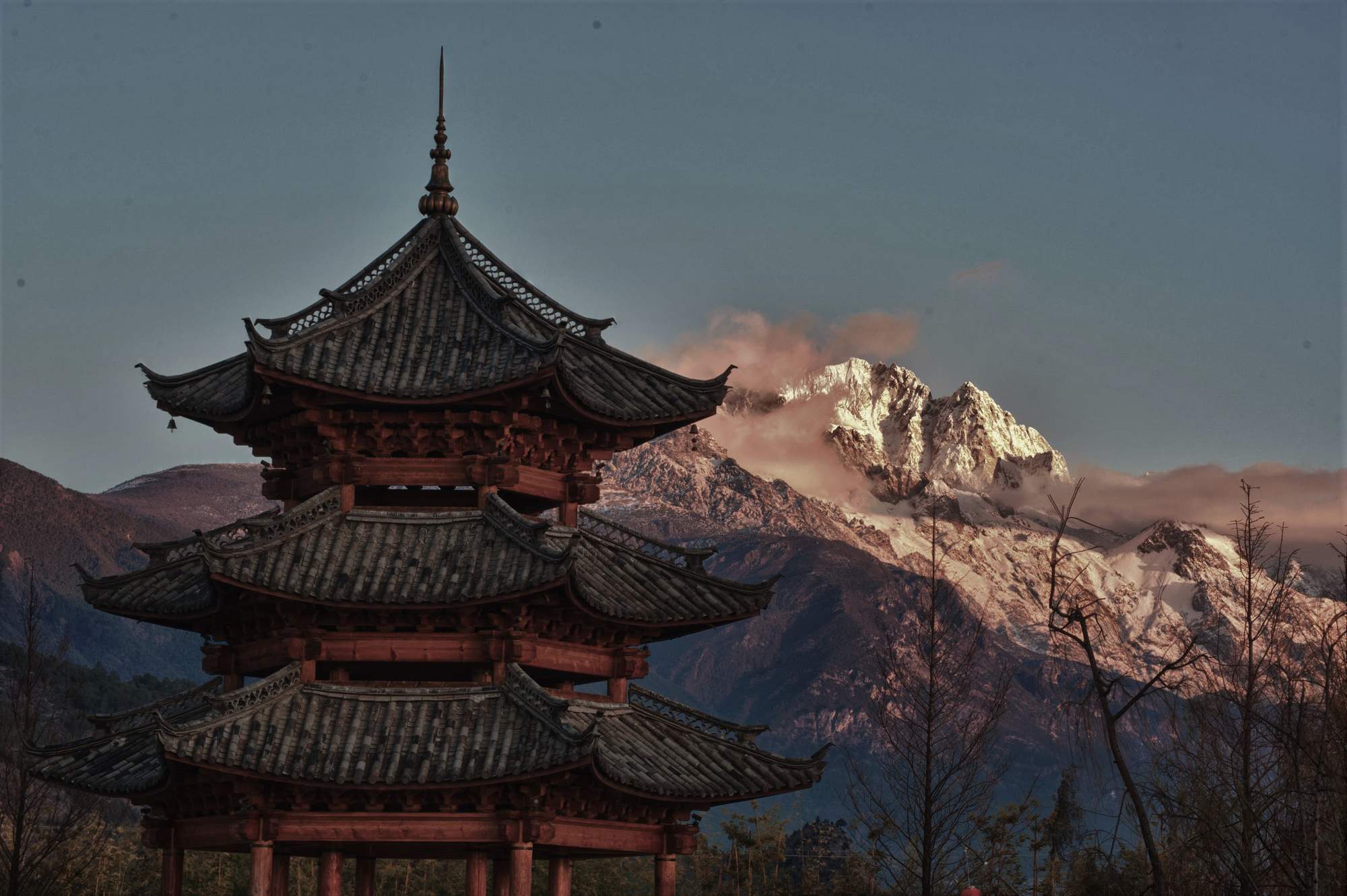
There are many well preserved ancient buildings and examples of Naxi Culture. You will see oranate wooden and tiled structures. Lijang was ruled by the Mu family for hundreds of years and the palatiall Mu Family Residence is now open to visitors. Although largely a reconstruction of the original building you will experience the splendour of the past here.
Shangri-La/Zongdian
The name Shangri-La is nowadays equated with any earthly paradise, referencing the fictional place created by British writer James Hilton in his 1933 novel Lost Horizon . A mystical, harmonious valley in the western end of the Kunlun Mountain range. The people who live in the fabled Shangri-La are almost immortal, only aging very slowly over time. In ancient Tibetan scriptures, seven such utopian places are cited.
Some scholars believe that the Shangri-La story owes a literary debt to the Shambala mythical kingdom in Tibetan Bhuddism, sought after by Eastern and Western explorers. Shangri-La is most often cited to be in northwestern Yunnan Province, China and in 2001 Zhongdian was renamed as Shangri-La in to promote tourism. The original Tibetan population previously referred to this place by its traditional name Gyalthang
There are many wonders to behold in Zhongdian:
The town has two distinct areas: a larger modern part and the old quarter. A fire in 2014 destroyed much of the old town but cobbled streets and traditional wooden houses remain intact.
Ganden Sumtseling Gompa ( a mini Potala palace) is just north of the town. In the Old Town you will find Guīshān Sì Buddhist temple, home to a small community of monks who conduct daily morning prayers. Right beside it is Zhùangjīn Tǒng Right beside the temple you will find the world’s biggest prayer wheel. At 21m high, within it are 100,000 smaller prayer wheels, no less six people are needed to make it turn.
Bǎijī Sì temple offers the best views over Shangri-la, chickens cluck around it on the hillside which you can walk to along the narrow paths behind the town.
A taxi ride (or cycle) away is the Tiānshēng Bridge. Local Tibetans believe that the sulphur-rich water has natural restorative healing powers. There is a swimming pool and a natural sauna (within a cave) with male and female areas.
Shaxi
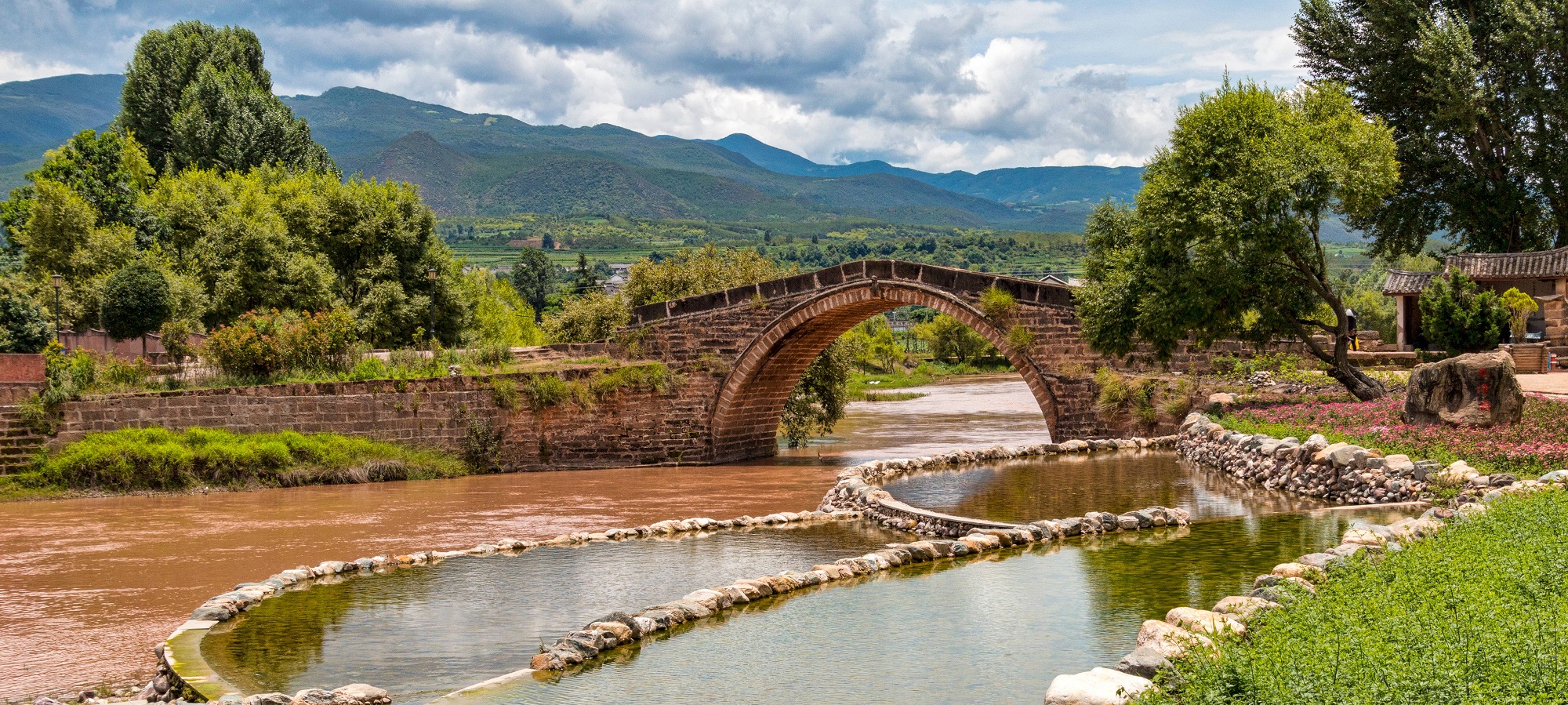
Shaxi town on the Tea Horse Trail, is the last remaining ancient market town of its kind on this ancient trading route. Although developing as a tourist destination, Shaxi retains its original character and charms partly due to its remote border location. In 2001, the marketplace in Shaxi, was nominated by the World Monument Fund as one of the globe’s 100 most endangered sites, and international aid organizations stepped in to help rebuild the heart of the town, to establish a drainage system, and to support the community in creating a plan to improve their lives by embracing traditional lifestyles, rather than losing their cultural identity.
The central market square now has a mix of traditional and tourist shops. The Tea Horse Road museum (in the restored theatre building) has an interesting collection of materials, please note much of the explanatory information is in Chinese. A series of cobbled alleyways lead you away from the main square.
Shibao Shan, is a collection of 9th C temples and hermit caves built into the Shibao mountains just above the Shaxi valley. They were overlooked during the destruction of the Cultural Revolution, and are amongst the oldest “non-restored” temples in China.
There are hiking trails to the east and west of Shaxi, options for kayaking on the Heihui river, horse-riding in the surrounding area and rock climbing.
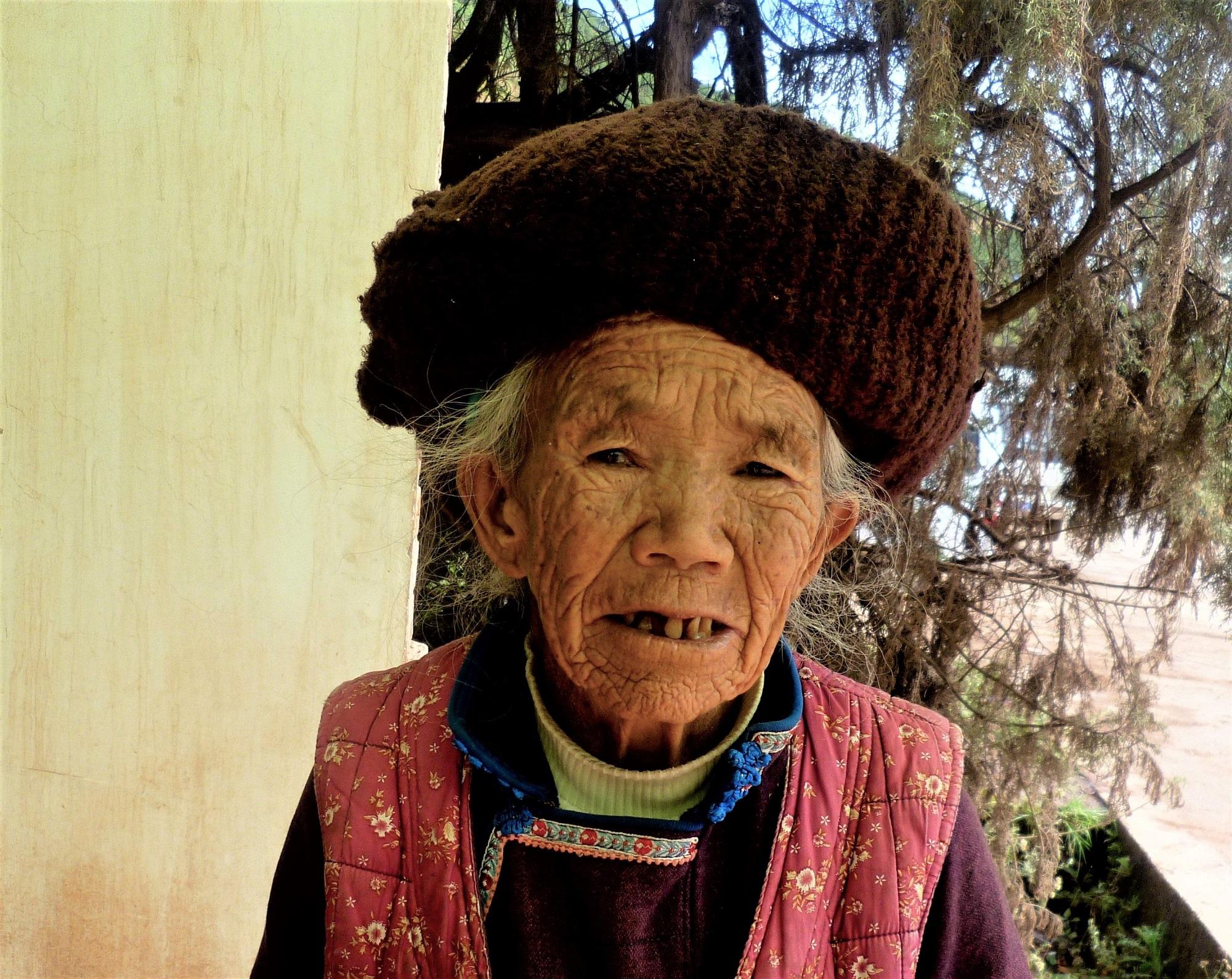
On Fridays minority peoples of the Yi and Bai come down from their mountain villages dressed in their finest traditional attire to attend the Sideng market. The event serves both as both a social gathering point and a place to trade. Pigs, cows, goats, sheep, ducks, and chickens are traded openly in a large field adjacent to the main road. Harking back to ancient times men will often lead pack mules to carry supplies back to their mountain villages.
Tiger Leaping Gorge
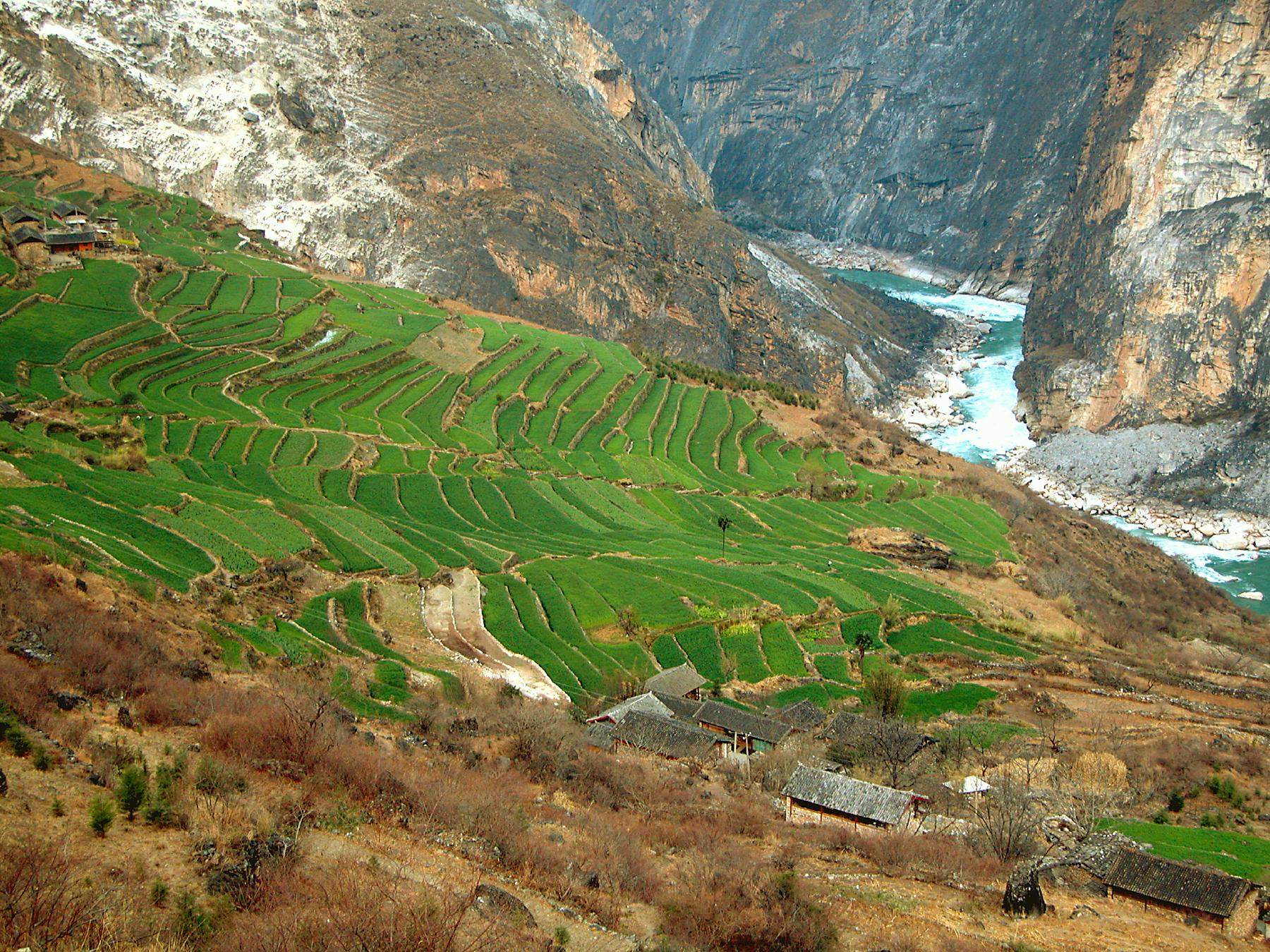
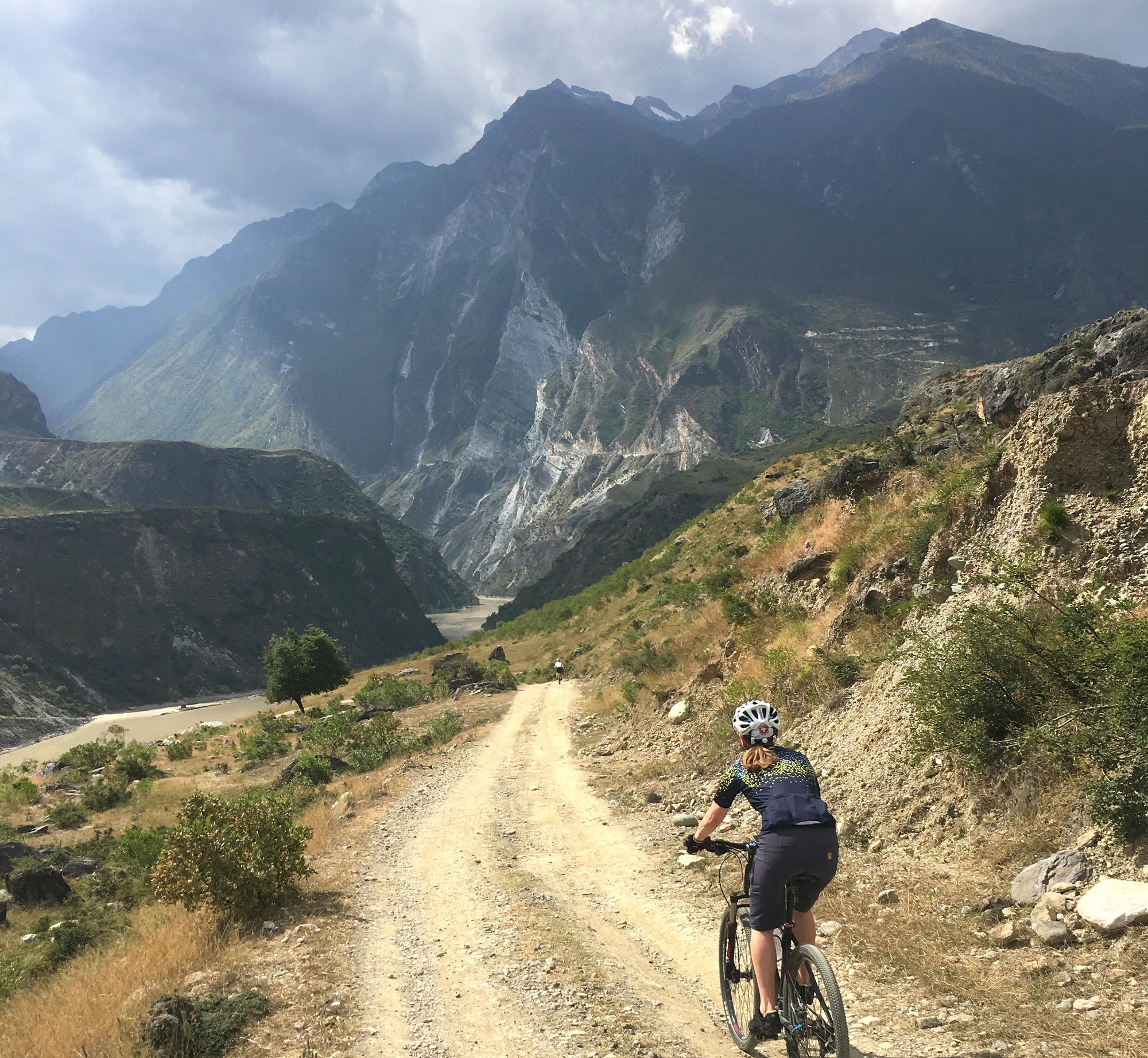
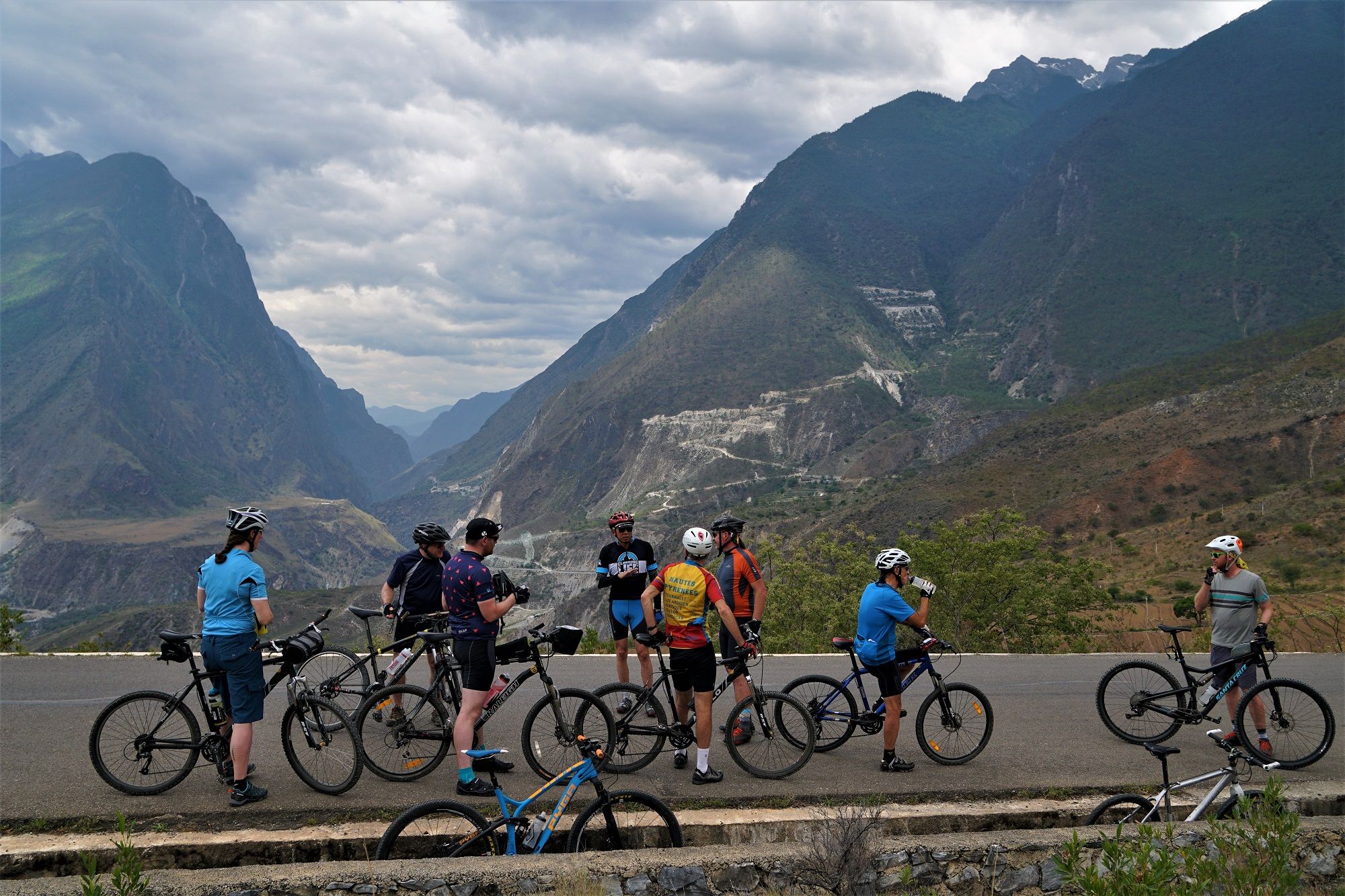
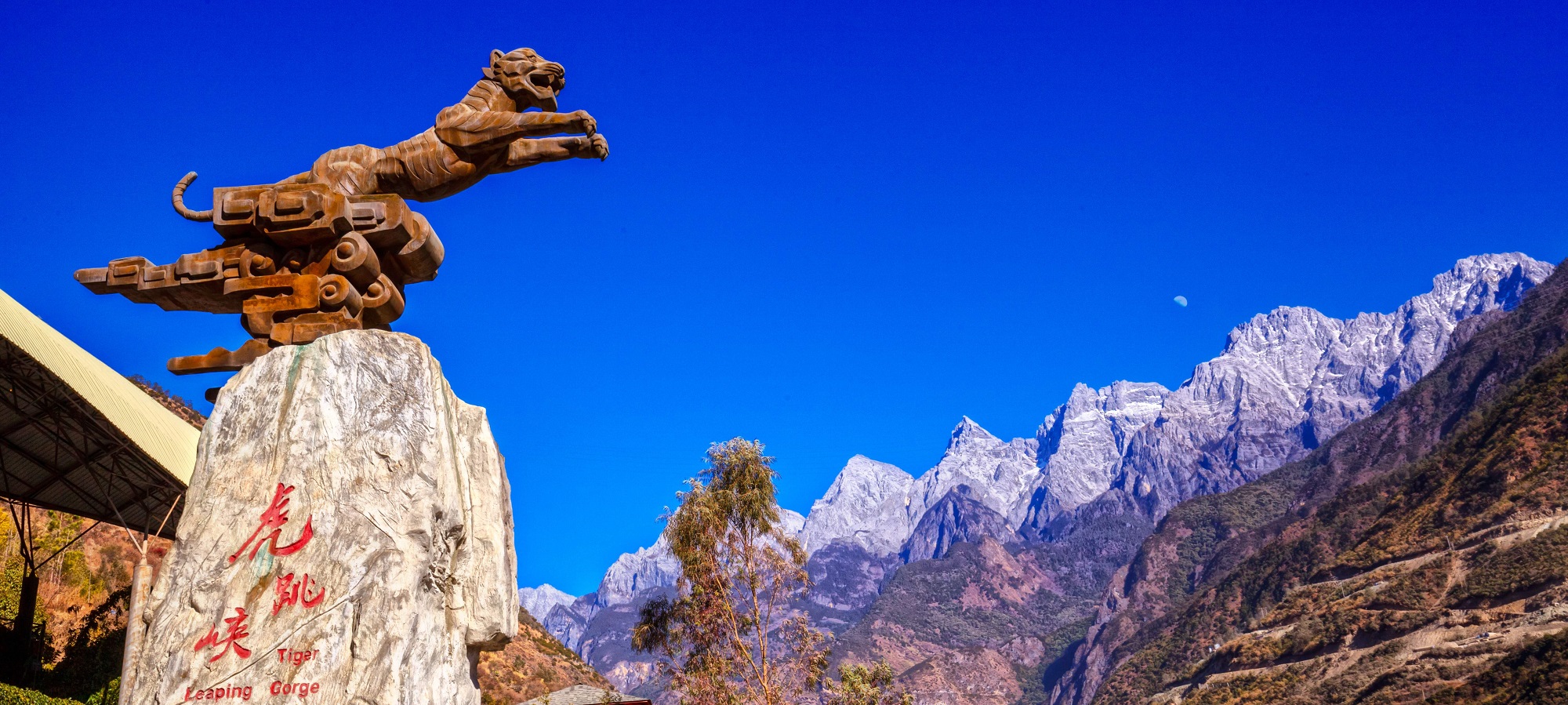
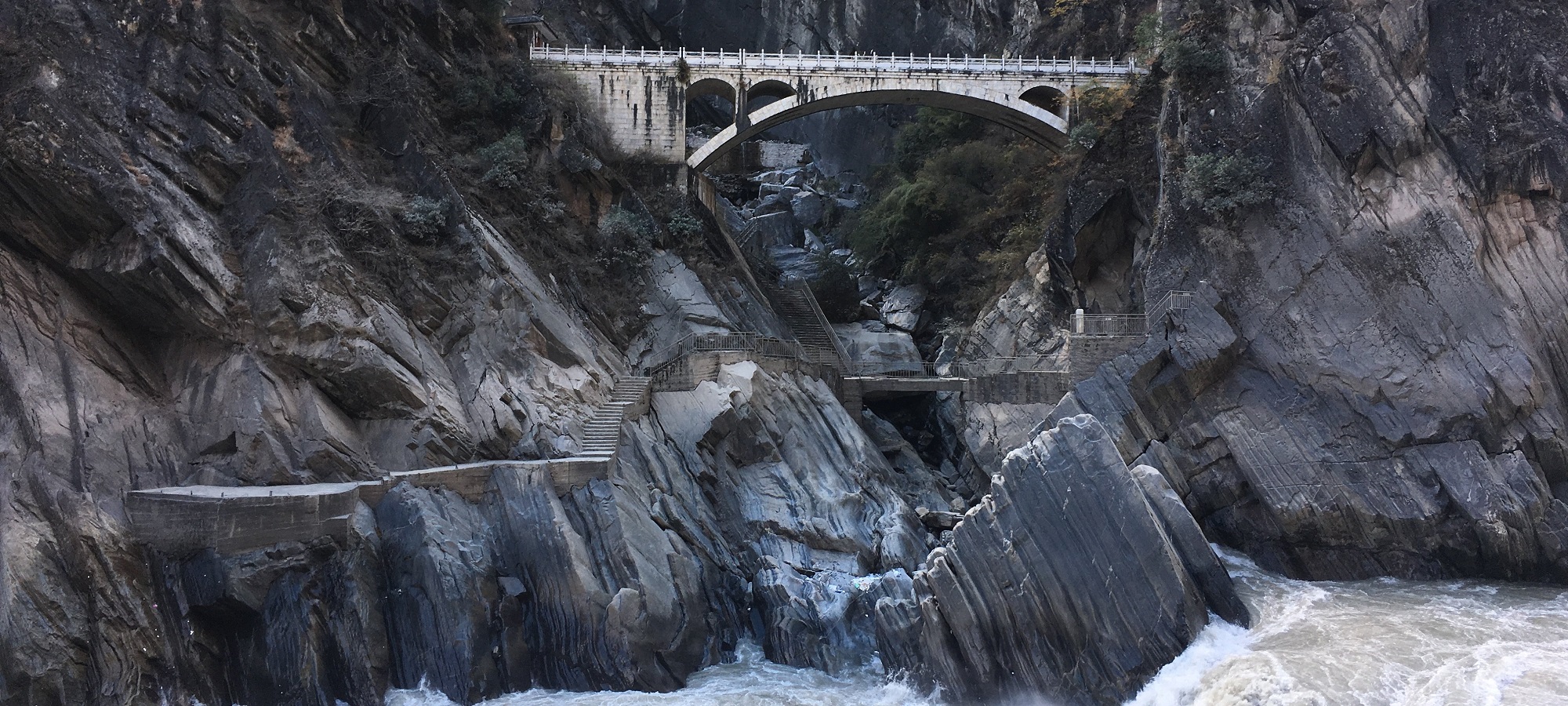
Tiger Leaping Gorge is one of the worlds’ deepest and most spectacular river valleys. The inhabitants of the gorge are primarily the indigenous Naxi people, who live in a handful of small hamlets. Their primary subsistence comes from agriculture and tourism as the valley has a very popular hiking route and tour trail.
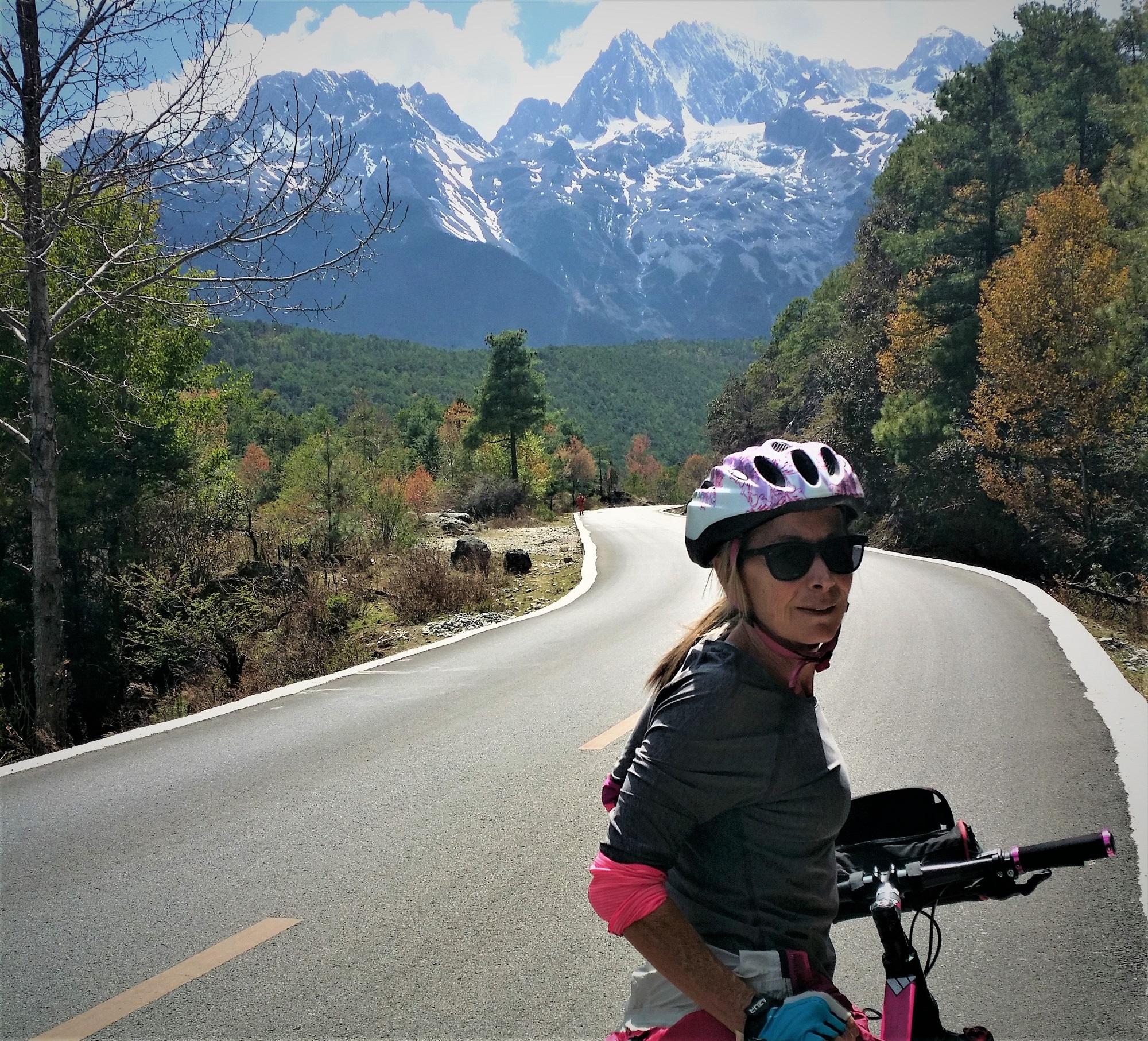
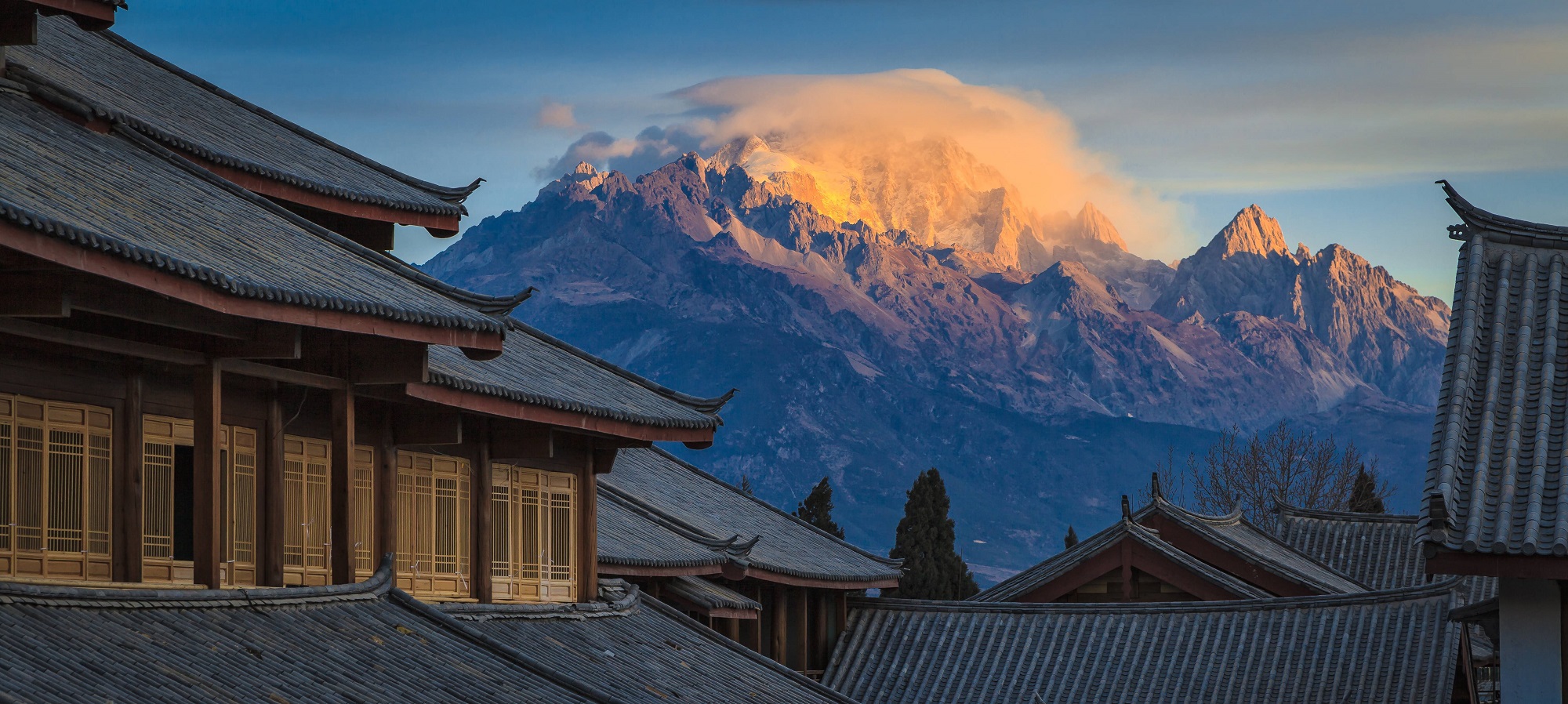
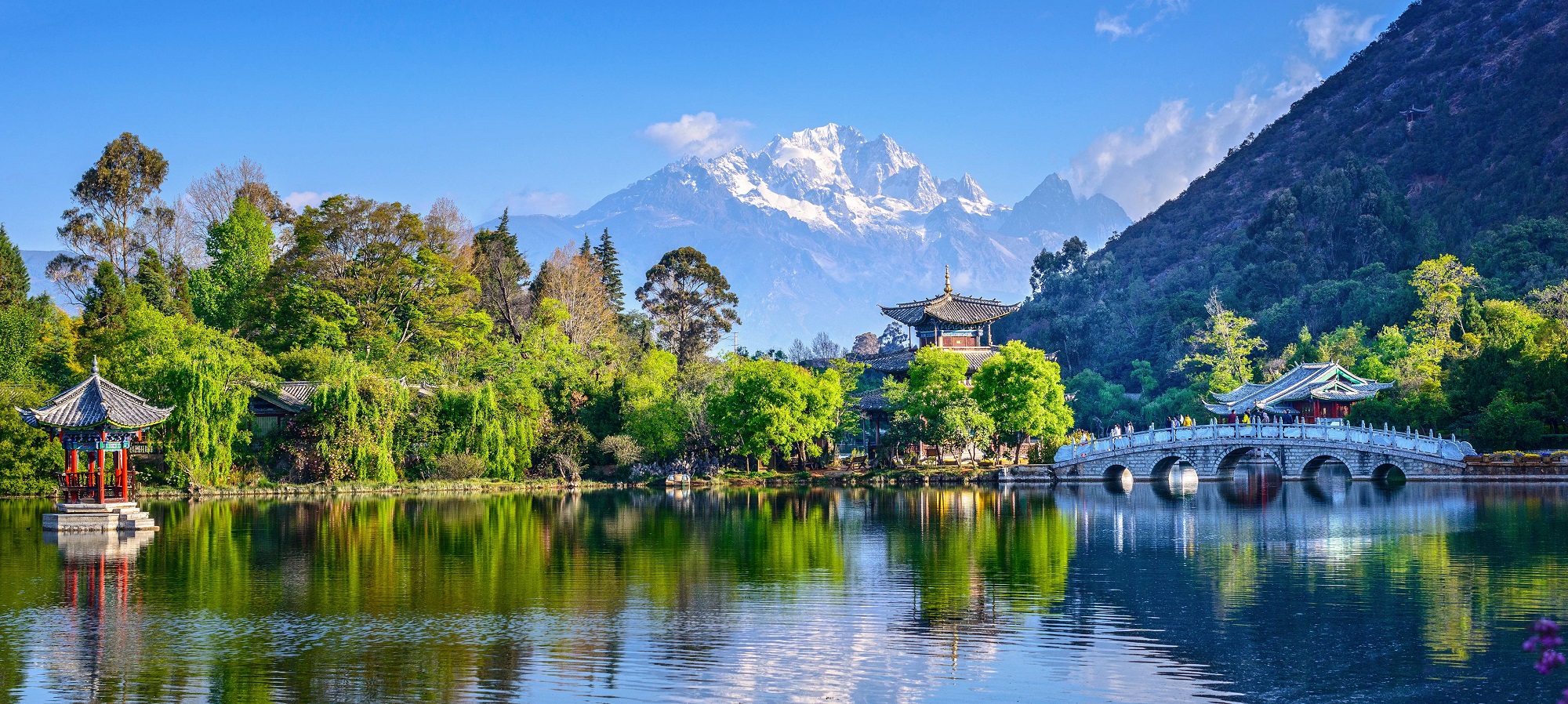
For a stretch of approximately 15 km long the unnavigable dramatic rapids of the Yangtze river flow through the gorge, flanked by the towering Jade Dragon Snow Mountain and Haba Snow Mountain. The legend behind the valley’s name has it, that a tiger a jumped across the river at its narrowest point (still 25 metres wide) where a boulder rises out of the waters, to escape a hunter.






.JPG)
-e1782998792928.jpg)

.jpg)
.jpg)

-e1782994370962.jpg)